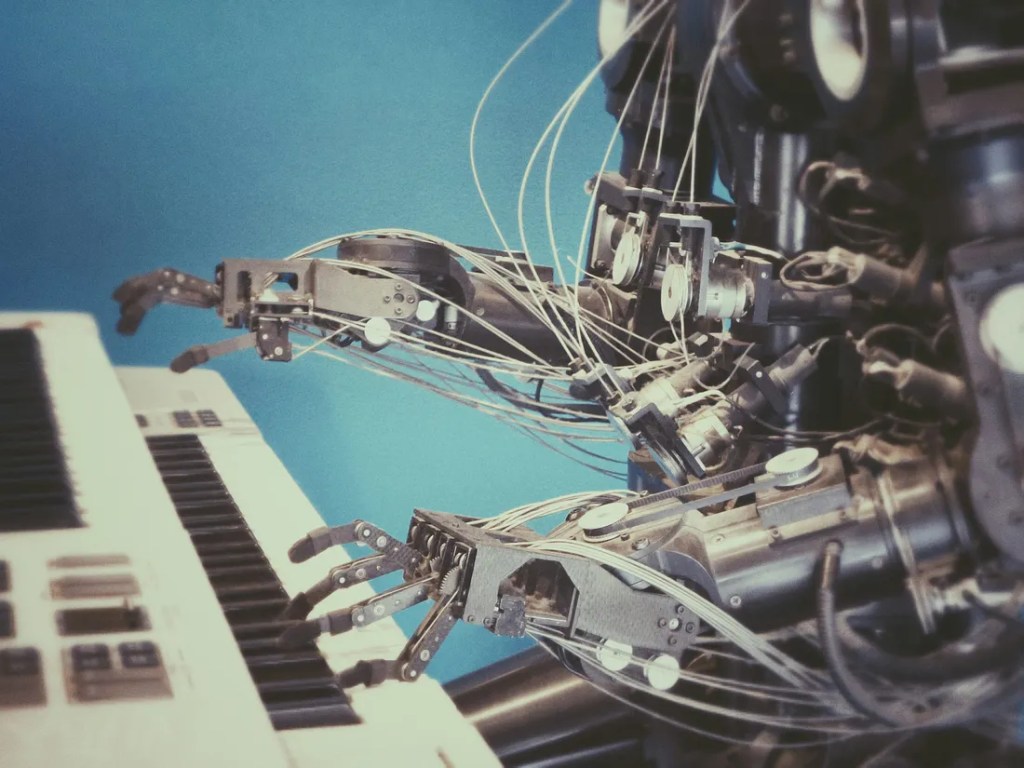
The rapid development of LLMs seems to be funnelling clients directly into chat models, but just how good are they at constructing articles we want to read?
Whilst it might be a no-brainer to plug vague ideas into a chatbot and get a full 1000-word article spat back at you, is it something your audiences really want to be reading? Or are we perhaps slowly watching ourselves destroy the very thing that makes human-written content so special?
Does AI Have a Space in Creative Fields?
My opinion, no. However, I definitely understand how, for some creatives, having a rigid AI tool to sort ideas or at least put some structure in place before writing an article can be useful. Am I one of these people? No.
I find that when you use AI to put a framework in place for you to write engaging, real-life pieces for clients, they all start to develop the same structure. Even when the subject matter is poles apart from the previous piece, your work loses the little nuances that make something unique to you.
Personally, I’d much rather wade through the unscripted ramblings of somebody who’s struck unexpected inspiration than pick apart well-structured articles that have lost their sparkle. So many people underestimate the power of a decent editor who can help bring order to waves of creativity. It’s a skill I simply don’t think AI can replace.
Should We Make Space for AI In Creative Fields?
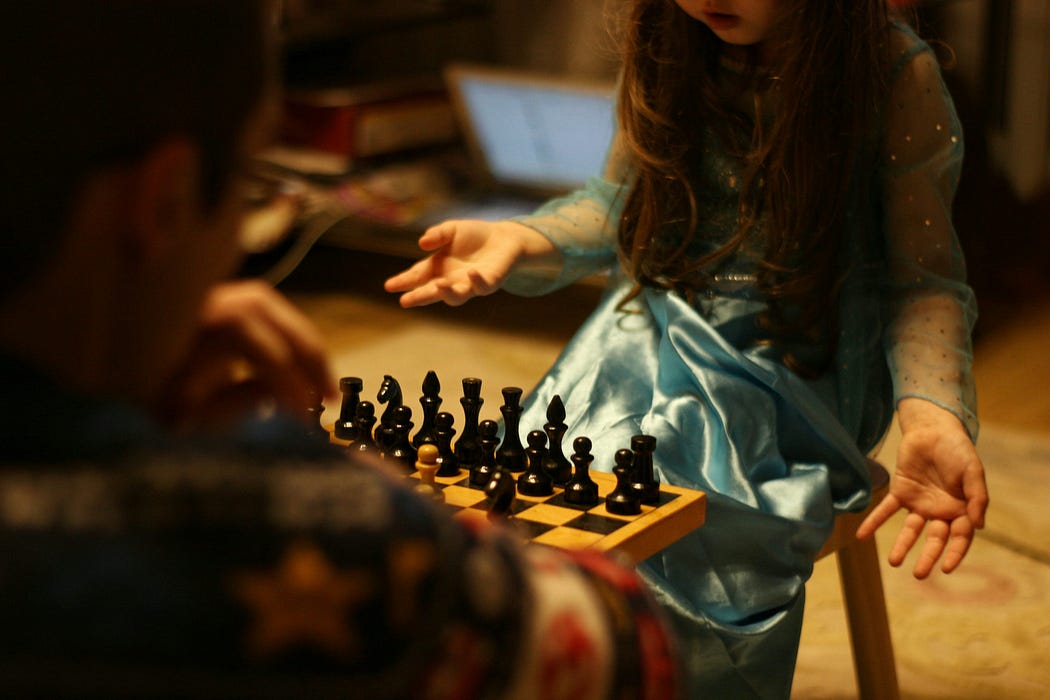
Who remembers when chess matches that were against virtual opponents became controversial? Well, the idea that human art and AI art can both be successful if we find space for each of them to separately exist is an interesting one.
At the end of the day, who can possibly judge what art is if it truly means something to a person? My issue with creating space for AI in creative fields is that many users of these models are simply trying to make a quick profit. AI is not being used to make creativity more accessible, as it is specifically being leveraged to add more clickbait content to the algorithms.
We’ve lost our way as tech billionaires squash the little guys and put quality over quantity to go viral. So many get-rich-quick schemes on my for you page are simply suggesting that people pump out AI-generated books one after the other in order to flood the market until you succeed.
Why Should We Value Human-Written Content?
Even those silly slogans we hear on London trains were written by a person. Someone who wanted to create something that lingered long after your ticket had been recycled.
The biggest concern is AI taking jobs away from creatives, but really, it’s stripping the soul from things that should never have had it brought into the field. I’ve seen hundreds of friends and colleagues leaving purposeful errors in their work to signal that it was written by a human. Unique content is no longer praised, and good ideas are streamlined for AI-skimability without even considering that a human might want to read it first.
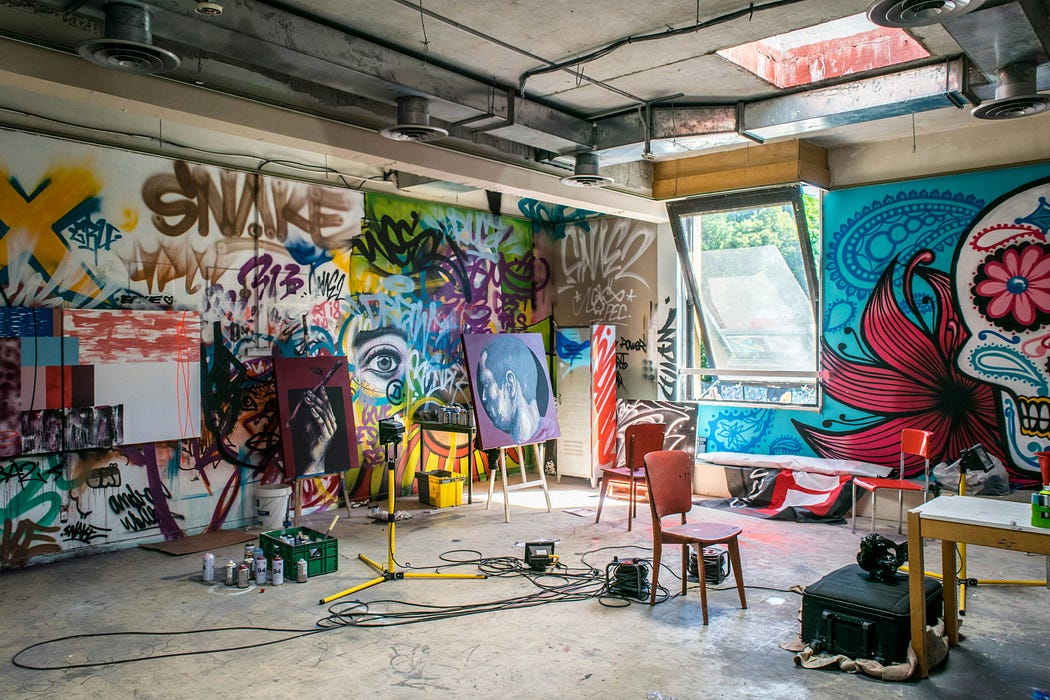
How Can We Protect Art Made By Humans?
If you want to produce something, whether that be through words, music, or visual arts, then consider hiring someone who has honed their skills. Avoid filling your hard drive with AI-generated prompts and instead, conduct some good old-fashioned research.
As a population, we are losing the ability to explore and find things out for ourselves. The reliance on platforms like Gemini, Grok, or ChatGPT is shocking. When these platforms go down, hundreds panic on social media that they are simply unable to do their jobs without it. But what did we do before?
We googled things we didn’t know. We read books. We learnt from those around us. In such a short space of time, we seem to have forgotten how to interact with both the world and the people around us.
So please, next time you open one of these AI models, consider your other options first. Make connections, support local artists, and expand your own knowledge the good old-fashioned way.
 TECHTONIC